

Bringing home a new pet for the first time can be very exciting; however, it does present some challenges in getting the new pet adapted to your home. You will need to spend a lot of time training your pet and have a lot of patience during this transition. Here are some tips for training your puppy at home.
You should choose your dog's name wisely. For training, it helps to determine a short name that ends with a sharp consonant (i.e., such as Jack or Bud) so that the dog's name will always come through clearly when you call it. A strong name will make the dog more responsive when you call it or issue commands. It also helps if you choose a name that is associated with pleasant and fun things, rather than something negative.
Before your new puppy comes home, decide ahead of time what it can and cannot do in your home. For example, will it be allowed on the bed or the furniture? Are there parts of the house that will be off limits? By setting the rules early on, you can avoid confusion for the puppy as it tries to adjust to the new surroundings.
From the outset, you should give your puppy it's own, private space that it can sleep in. This space should ideally not be used by another pet or by anyone else in the family. This could be a corner of a room or even a den in your home. It should be large enough to set up a crate in, which will be an essential tool for the puppy's house-training. Your pet will benefit from having short periods where they can be alone in the comfort and safety of its private space. You should also reward the puppy if it stays quiet and relaxed.
Help your pet to relax when it comes home by giving it a warm water bottle and placing a ticking clock near the area where it sleeps. These things imitate the heat and heartbeat of its siblings in the litter and will help to soothe the puppy in its new environment. Look for as many ways as possible to make him comfortable in his new home, as this will make the training period easier.
Reward your puppy's good behavior by using positive reinforcement. Use small toys, treats, loving gestures and lots of praise to let him know when he does something right. However, you should never reward bad behavior, as this will only confuse the puppy.
Puppies tend to live in the moment, which means that after you've taught it something, it is likely to have forgotten two minutes later. You need to use constant repetition to reinforce what the puppy has learned. For example, if he does something terrible, re-train him on the right way to behave right away so that he can make the association between the bad behavior and the correct behavior.
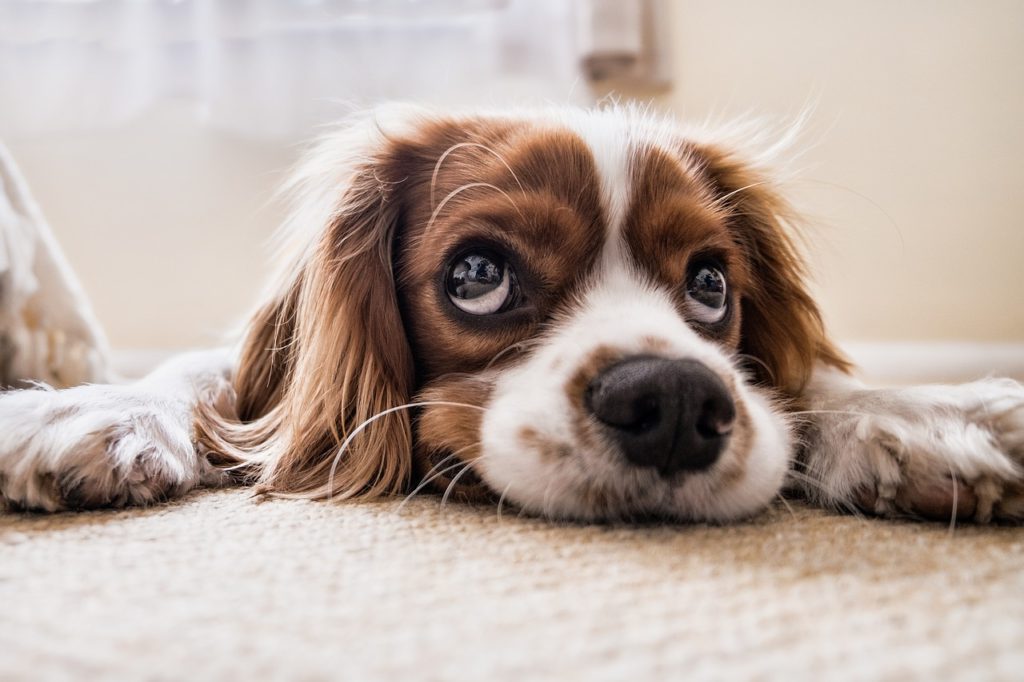
If your puppy has a habit of biting, don't scold him. Instead, pretend that you're in pain after he bites you. He will be surprised at your reaction and will likely stop immediately. If that doesn't work, give him plenty of chew toys to use instead.
Finally, you should always end the training sessions on a positive note by praising him for doing a good job. Your puppy has likely worked hard to please you, so encourage him by giving him lots of praise and a treat to motivate him for the next training session.
Las Vegas Dog Resort
6810 W. Sahara Ave.
Las Vegas, NV 89146
(702) 560-7387
Open 7:00 AM to 7:00 PM Daily for Drop off & Pickup
Open 7:00 AM to 5:00 PM Daily for Phone Calls
Checkout Times
Boarding: 11:00 AM Daycare: 6:30 PM